
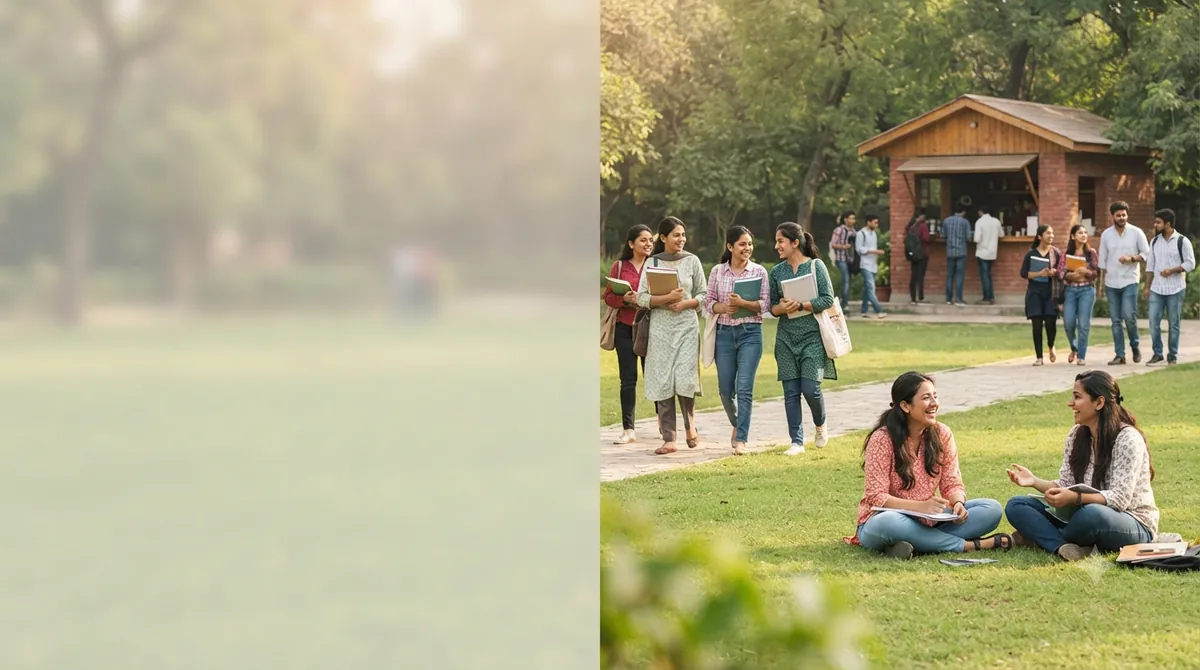
The first month
Almost every student describes the first month the same way: overwhelming for two weeks, then suddenly normal.
What tends to happen: registration and hostel allotment take longer than expected, you spend the first week working out where to buy things, you eat badly for a few days before you find what you like, and you make your first friends among the other new international students.
What helps most, by a distance, is finding your seniors early. Indian students one or two batches ahead will solve in an afternoon what would otherwise take you a month.
Academics and daily routine
Days are structured around lectures, practicals and — from the clinical years — ward postings. Attendance requirements are taken seriously, and professional examinations are the milestones that matter.
Two habits separate students who stay on track from students who struggle:
- Keeping up with the standard Indian textbooks alongside the local curriculum, which pays off enormously at screening-examination time
- Treating ward postings as the main event rather than the interruption — clinical exposure is why you are physically there rather than reading at home
Food, language and settling in
Food. Bangladeshi cuisine is close to eastern Indian cooking — rice, fish, lentils, familiar spices. Most Indian students adapt quickly. Vegetarian food is available but needs more planning in some hostels than others, and strict vegetarian or Jain diets need a specific conversation with the hostel before you commit.
Language. Your academic work is in English throughout. Bengali matters in the wards, where you take histories directly from patients. Students who make an effort in the first year find clinical postings far more rewarding — and it is genuinely not hard to pick up when you are surrounded by it.
People. Most colleges have an established group of Indian students, which makes arrival easier. The students who enjoy it most, though, are usually the ones who do not stay only within that group.
Homesickness and mental health
This deserves more honesty than it usually gets. Being away from home for most of six years is hard, and it is hardest in the first few months and around festivals.
What students tell us helps: a routine, regular calls home at a fixed time rather than constantly, at least one close friend at the college, going home during scheduled breaks, and talking to a senior who has been through the same thing.
What does not help is pretending it is fine. If a student is struggling, the college, seniors and family should all know — early.
Safety and practical precautions
Most students report ordinary student life. Sensible precautions are the same as they would be in any large city anywhere:
- Know the route between hostel, college and hospital, including at night
- Keep hostel, warden and college emergency contacts saved and shared with family
- Keep copies of your passport, visa and admission documents in more than one place
- Register with the relevant authorities as required and keep your documentation current
- Tell someone where you are going when you travel outside the city
Families with specific concerns should ask the college directly about hostel security, warden arrangements and how it supports international students. Read our hostel page for the full list of questions.
Staying connected with home
Local SIM and data plans are inexpensive and easy to arrange in the first week. Most students settle into a regular call routine with family fairly quickly.
Parents can generally visit, and many do — seeing the campus, the hostel and the hospital in person answers questions no brochure can. Travel arrangements for parents are separate from the student visa process, so plan them in advance.
Ask a student about daily life
Page last reviewed on by the MBBSinDhaka.in student team. Spotted something that has changed? Tell us on WhatsApp.